Author

Anna Persson

Writer and buyer guide editor

Editorial focus

Anna Persson writes Coldplunge Guide's buyer-facing and educational pages. Her work focuses on helping people understand what sauna ownership actually demands before they spend money.

How she works

Her pages are built from manufacturer documentation, public specifications, primary research where health claims matter, and repeated buyer pain points from real-world ownership stories.

Why this matters

The goal is simple: make the next decision clearer, cut the marketing noise, and say when the wrong sauna type is still the wrong answer even if the brand is good.

Written by Anna Persson

Guides

When Not to Cold Plunge: Conditions and Medications
2026-07-04Sauna Type

When Not to Cold Plunge: Conditions and Medications

The medical reasons to skip a cold plunge: heart conditions, high blood pressure, pregnancy, medications, the cold shock response, and drowning risk.

Quick answer: Skip a cold plunge if you have unstable heart disease, uncontrolled high blood pressure, a recent cardiac event, or a heart-rhythm condition, until a doctor clears you. Be cautious with pregnancy and with medications like beta-blockers and blood pressure drugs, and never plunge with alcohol in your system. The cold shock response and the risk of an involuntary gasp underwater are why you never plunge alone.

SafetyContraindicationsHealthMedicalCold Plunge
Real Cost of a Cold Plunge: Beyond the Tub Price
2026-07-04Budget

Real Cost of a Cold Plunge: Beyond the Tub Price

A cold plunge tub is half the purchase. Real all-in numbers for the chiller, GFCI outlet, water care, and $10 to $40 a month in electricity.

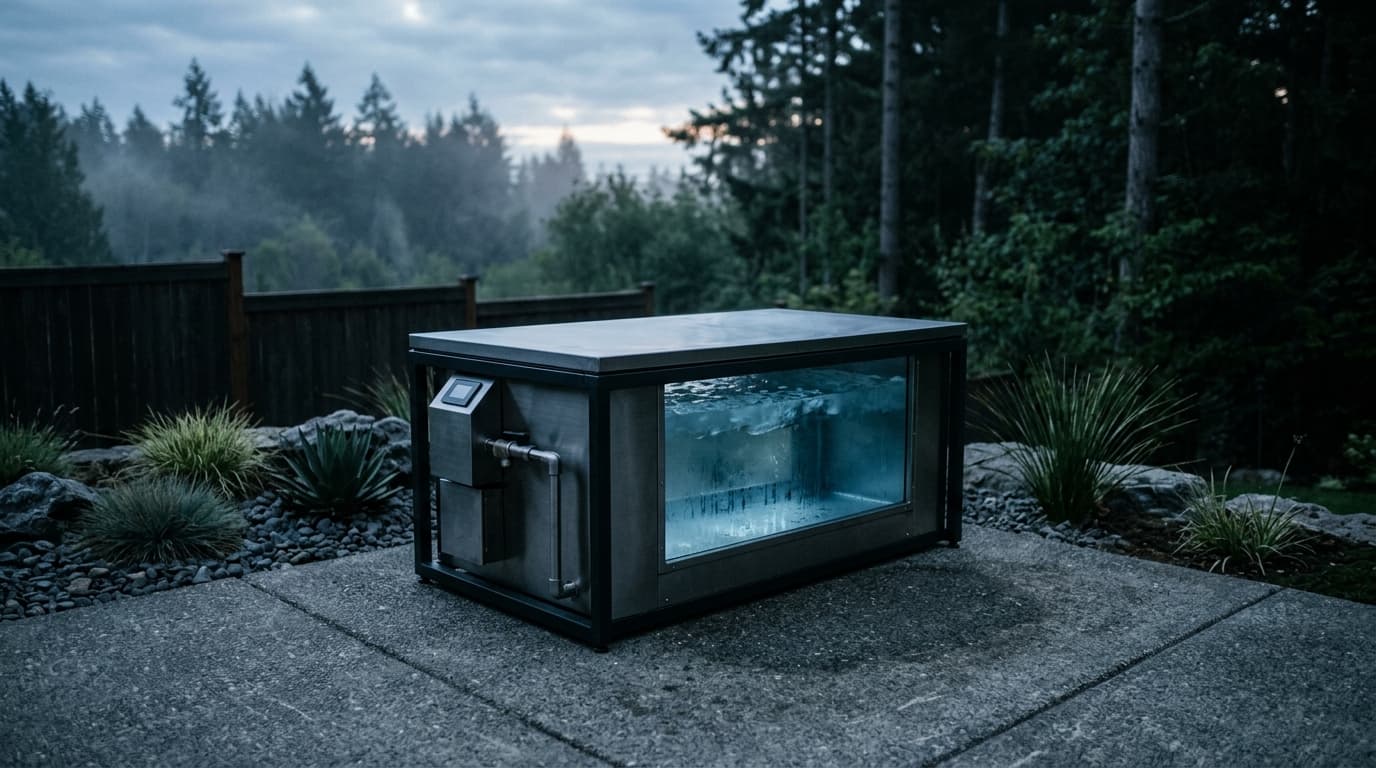
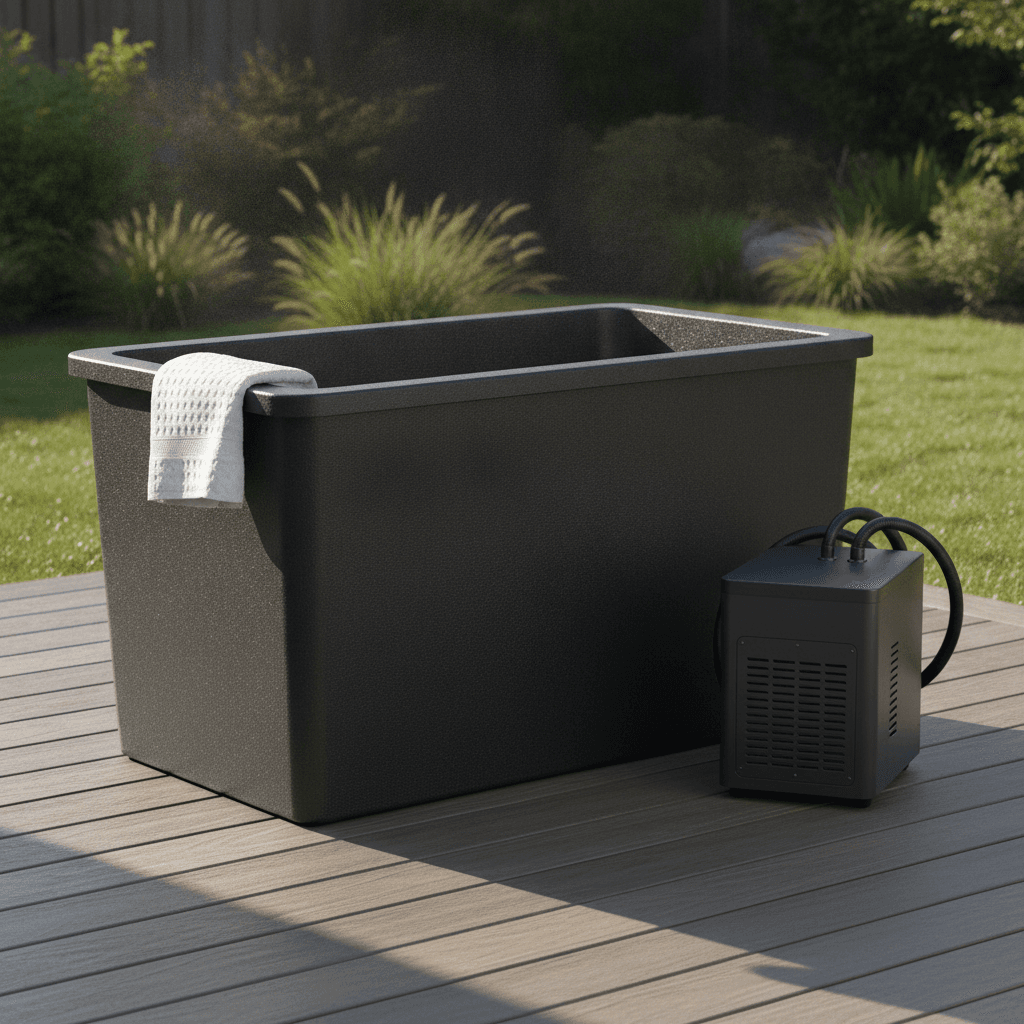
Quick answer: A cold plunge costs more than the tub. Budget $3,000 to $10,000-plus all-in for a powered plunge with a properly sized chiller, or roughly $1,500 to $3,500 if you pair an unpowered tub with a separate chiller. On top of the hardware, plan for a dedicated outdoor GFCI outlet, water treatment, and $10 to $40 a month in electricity. Undersized chillers are the number one regret, so size for your climate, not the brochure.

Cold PlungeBuying GuideBudgetCostChillerComparison
Plunge vs Ice Barrel: $6K Chiller vs $1,200 Tub
2026-07-04Comparison

Plunge vs Ice Barrel: $6K Chiller vs $1,200 Tub

Plunge vs Ice Barrel compared: a $6K powered self-chilling unit against a ~$1,200 unpowered barrel that still needs ice or a separate chiller.

Quick answer: Buy the Plunge if you want a powered, self-chilling unit that holds cold water year round with almost no effort, and you accept roughly $6,000 and up. Buy the Ice Barrel, around $1,200, if you are fine hauling ice or adding a separate chiller later and want to spend far less up front. The real split is convenience versus cost: the Plunge decides everything for you, the Ice Barrel hands you the chiller, ice, and water-care decisions.

Cold PlungeComparisonBuying GuideIce BarrelPlunge
Morozko Forge vs Blue Cube: Premium Ice Baths
2026-07-04Comparison

Morozko Forge vs Blue Cube: Premium Ice Baths

Morozko Forge vs Blue Cube for top-of-market buyers: true-ice versus premium chiller, real price ranges, water care, and which $5K plus plunge fits you.

Quick answer: Both are top-of-market powered plunges in the rough $5,000 to $10,000 plus range, and neither is a mistake. Morozko Forge is the true-ice pick: its ice engine forms real ice on the surface and holds water near freezing, for buyers who want the coldest, most ritual experience. Blue Cube is the premium chiller-and-filtration pick, built around cold, clean, sanitized water with less ice theater and more day-to-day convenience. Choose Morozko for the coldest possible plunge, Blue Cube for hands-off water quality.

Cold PlungeComparisonPremiumMorozko ForgeBlue Cube
Inflatable Cold Plunge Tubs: An Honest Review
2026-07-04Shortlist

Inflatable Cold Plunge Tubs: An Honest Review

Most inflatable cold plunge tubs are the same $80-$300 white-label product under invented brand names, with underpowered '1HP' chillers. When one is fine, and what fails.

Quick answer: Most inflatable cold plunge tubs sold under dozens of brand names are the same white-label product from a handful of factories, priced $80 to $300, and the '1HP chiller' often bundled with them is usually overrated and underpowered for anything but a mild climate. An inflatable is genuinely fine for testing the habit or for travel. It is a weak bet as your permanent, year-round plunge.

Cold PlungeInflatableBuying GuideDropshipPortableReview
Cold Plunge Water Maintenance: Ozone vs UV vs Chlorine
2026-07-04Installation

Cold Plunge Water Maintenance: Ozone vs UV vs Chlorine

How often to change cold plunge water by treatment type, what ozone, UV, and chlorine actually cost per month, and the filtration step most owners skip.

Quick answer: Cold slows bacteria but does not stop biofilm, so untreated plunge water goes cloudy in a few days and you end up dumping and refilling constantly. The three real treatment paths are ozone, UV, and chlorine, usually paired with a filter. With a working system you change water every 4 to 8 weeks instead of weekly, for roughly $5 to $20 a month in chemicals and electricity.

Cold PlungeOwnershipWater CareMaintenanceOzoneFiltration
Cold Plunge vs Cold Shower: Which Do You Need?
2026-07-04Comparison

Cold Plunge vs Cold Shower: Which Do You Need?

Cold plunge vs cold shower, compared honestly. When a cold shower is genuinely enough, what full immersion adds, and who should just start with showers.

Quick answer: A cold shower and a cold plunge are not the same tool. A cold shower is free, easy, and genuinely enough for a lot of people, but you cannot control the temperature well or fully immerse. A cold plunge adds full-body immersion, a set temperature you can repeat, and the ability to stay in for a chosen time. If you have never done cold exposure, start with showers before you spend anything.

Cold PlungeCold ShowerComparisonBeginnersGetting Started
Cold Plunge Temperature: How Cold Should It Be?
2026-07-04Sauna Type

Cold Plunge Temperature: How Cold Should It Be?

What temperature to set your cold plunge in °F and °C, beginner vs experienced ranges, how temp and time interact, and why colder is not better.

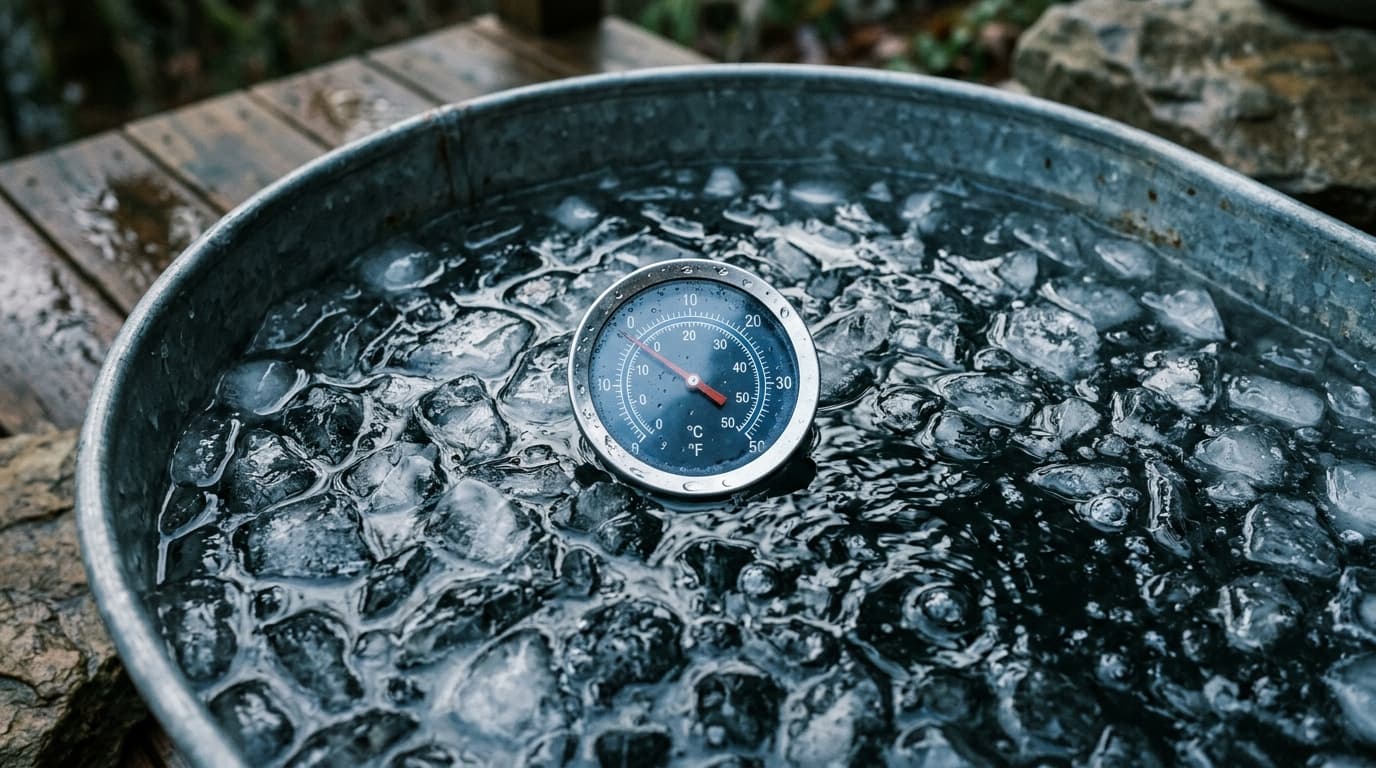
Quick answer: Most people use a cold plunge between 45 and 60 degrees Fahrenheit (7 to 16 Celsius). Beginners do well starting at 55 to 60°F (13 to 16°C) and staying a minute or two. Experienced plungers often go 45 to 50°F (7 to 10°C). Colder water means you should stay in for less time, not more, and below 39°F (4°C) adds risk without adding much.

Cold PlungeTemperatureBeginnersProtocolIce Bath
Cold Plunge Safety Guide: Rules for Safe Practice
2026-07-04Sauna Type

Cold Plunge Safety Guide: Rules for Safe Practice

How to cold plunge safely: never alone, entry technique, breathing through cold shock, beginner time and temperature limits, and when to stop.

Quick answer: Plunge safely by never going in alone, entering slowly instead of jumping, and controlling your breathing through the first two minutes of cold shock. Beginners can start around 50 to 60F (10 to 15C) for one to three minutes, keep the head above water, and never submerge. Warm up gradually afterward and get out at the first sign of dizziness, numbness, or a racing heart.

SafetyCold PlungeBeginnersTechniqueHealth
Cold Plunge Chiller Sizing: HP by Climate
2026-07-04Installation

Cold Plunge Chiller Sizing: HP by Climate

How to size a cold plunge chiller by climate, why an undersized unit is the number one regret, and what it costs to run each month.

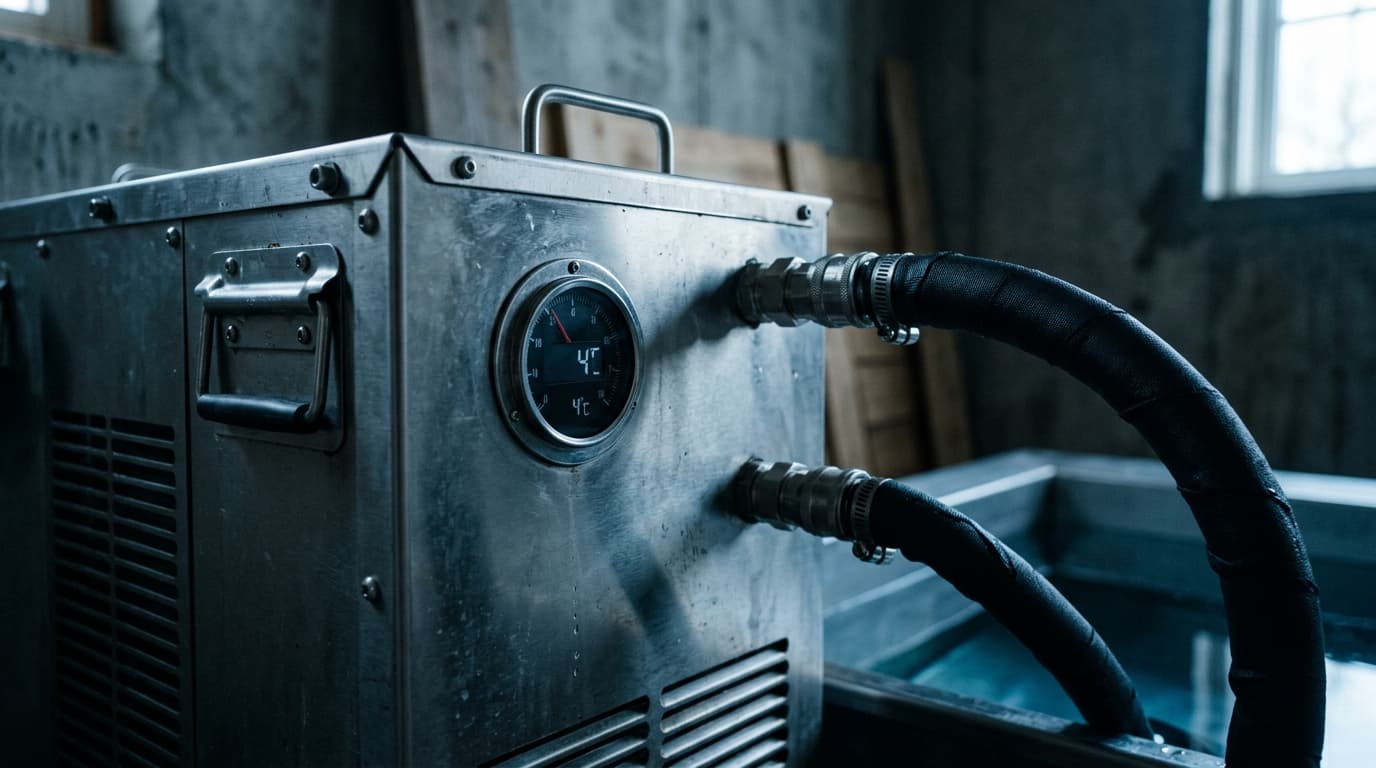
Quick answer: Size a cold plunge chiller for your hottest month and your target temperature, not the smallest unit that fits the budget. The spec that matters is cooling capacity in BTU per hour, not the marketing 'HP' number, which is not standardized across brands. A well-insulated tub in a mild climate needs far less than an outdoor tub chilled to the mid-40s through a hot summer. An undersized chiller that cannot hold temperature on a hot day is the single most common cold plunge regret, and most chillers add $10 to $40 a month to the power bill.

Cold PlungeChillerBuying GuideInstallationCostComparison
Cold Plunge Buying Regrets From Real Owners
2026-07-04Shortlist

Cold Plunge Buying Regrets From Real Owners

Real cold plunge buying regrets from owners: undersized chillers, dropship tubs, no GFCI, indoor condensation, and the water care nobody warns about.

Quick answer: The most common cold plunge regrets are an undersized chiller that cannot hold temperature in summer, a dropship tub that failed within months, skipping a proper GFCI outlet, indoor condensation and floor load, and underestimating water care. Almost all of them trace back to buying the tub first and treating the chiller, electrical, and upkeep as afterthoughts.

Buying GuideMistakesCold PlungeChillerBudget
Cold Plunge for Beginners: What to Know First
2026-07-04Sauna Type

Cold Plunge for Beginners: What to Know First

New to cold plunges? What they are, the three buying lanes, and why to test cold exposure cheap before you spend $6,000 on a tub.

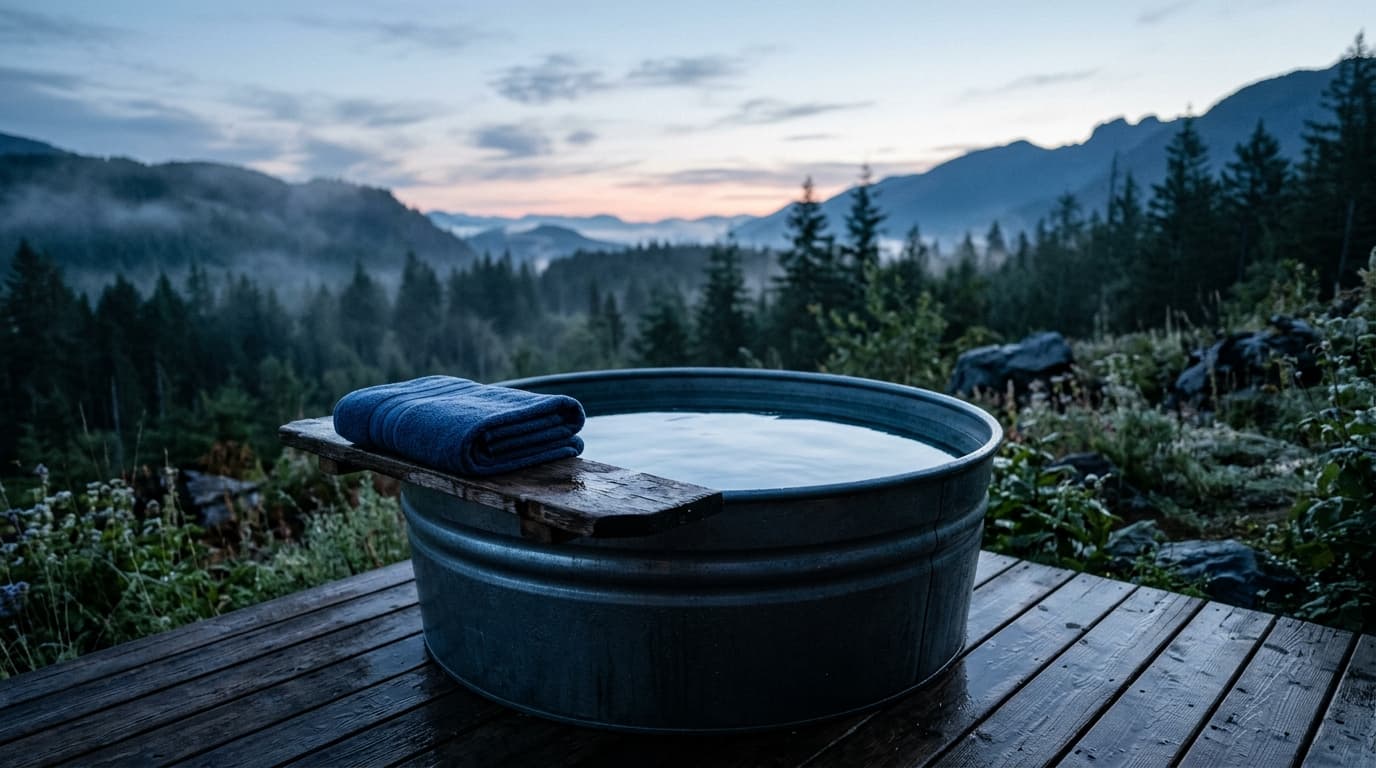
Quick answer: A cold plunge is a tub of cold water, usually 45 to 60 degrees Fahrenheit (7 to 16 Celsius), that you sit in for a few minutes. You do not need to spend thousands to start. Test the habit in a cheap stock tank or even a cold bath first, then decide between a powered plunge, an unpowered tub, or a portable system once you know you will use it.

Cold PlungeBeginnersBuying GuideGetting StartedIce Bath
Cold Plunge After Sauna: The Contrast Setup
2026-07-04Sauna Type

Cold Plunge After Sauna: The Contrast Setup

The cold-plunge side of contrast therapy: what cold setup you actually need after a sauna, how to do the hot-to-cold switch safely, and when a chiller is overkill.

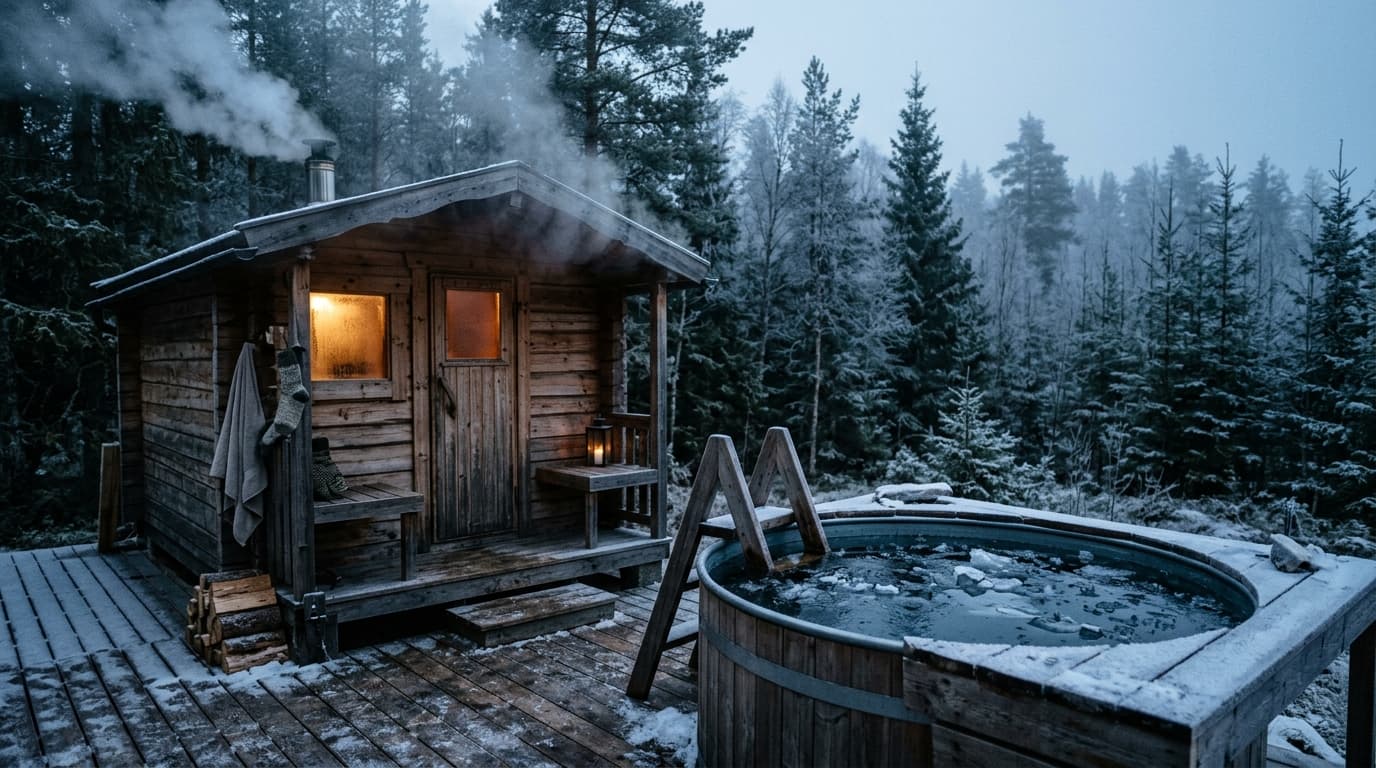
Quick answer: For contrast therapy you go hot first, then cold: warm through in the sauna, then get into cold water for one to three minutes, and repeat for a few rounds if you like. The cold half is the part that needs planning, and here is the honest part most sites skip: if you already own a sauna, you often do not need a $6,000 chilled plunge to do contrast well. A cold shower, a hose, or a $150 stock tank next to the sauna does the job. A chiller earns its place only if you want a consistent, set-temperature plunge on demand.

Contrast TherapySaunaCold PlungeProtocol
Chest Freezer Cold Plunge: The Honest Safety Guide
2026-07-04Installation

Chest Freezer Cold Plunge: The Honest Safety Guide

A chest freezer cold plunge costs $400-$700, but it puts a person in water inside an electrical appliance. The real shock risk, how to reduce it, and when to skip it.

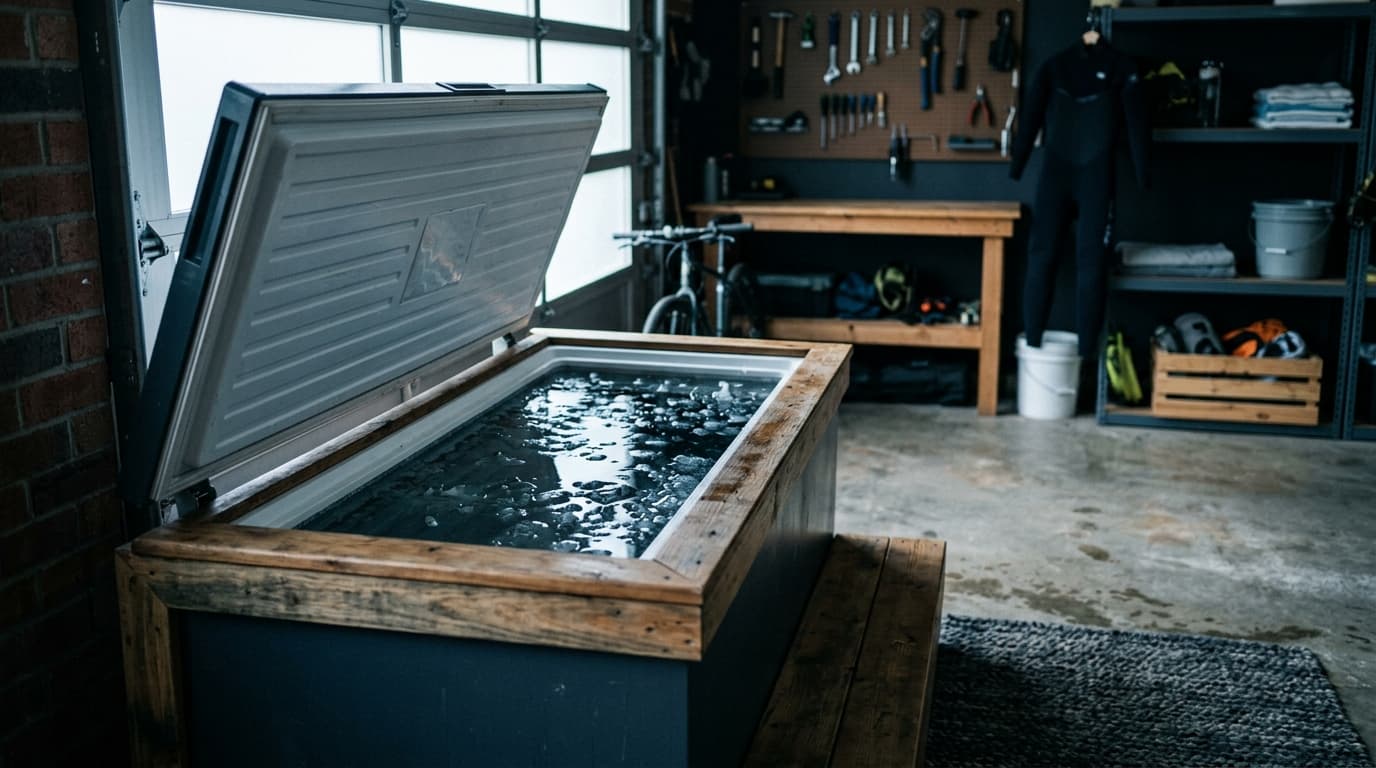
Quick answer: A chest freezer conversion is the cheapest way to get water that stays near freezing, usually $400-$700 all in. The catch is that you are putting water and a person inside an electrical appliance never built for either, and the shock risk is real. Done with a GFCI, a sealed liner, and the freezer unplugged before you get in, people run them for years. Done without those steps, it is dangerous.

Cold PlungeDIYChest FreezerSafetyElectricalBudget
Best Cold Plunge: Credible Brands by Lane
2026-07-04Final Decision

Best Cold Plunge: Credible Brands by Lane

The best cold plunge depends on your lane. Real brands for powered, unpowered, and portable buyers, with a fit statement and one tradeoff each.

Quick answer: There is no single best cold plunge. There is the best one for your lane. For plug-and-play, a powered plunge with a matched chiller like Plunge, Sun Home, Renu Therapy, or Blue Cube runs $3,000 to $10,000-plus. For the least money, an unpowered Ice Barrel or stock tank plus a separate chiller lands around $1,500 to $3,500. For travel and small spaces, portable systems from Edge Theory Labs or Inergize sit at $2,000 to $5,000. The trap is buying a lane you did not need.

Cold PlungeBuying GuideBestBrandsComparisonChiller
Best Cold Plunge Under $2,000: Real Budget Picks
2026-07-04Final Decision

Best Cold Plunge Under $2,000: Real Budget Picks

The best cold plunge under $2,000: Ice Barrel, stock tanks, and dropship inflatables compared. What you give up, and when to buy a chiller separately.

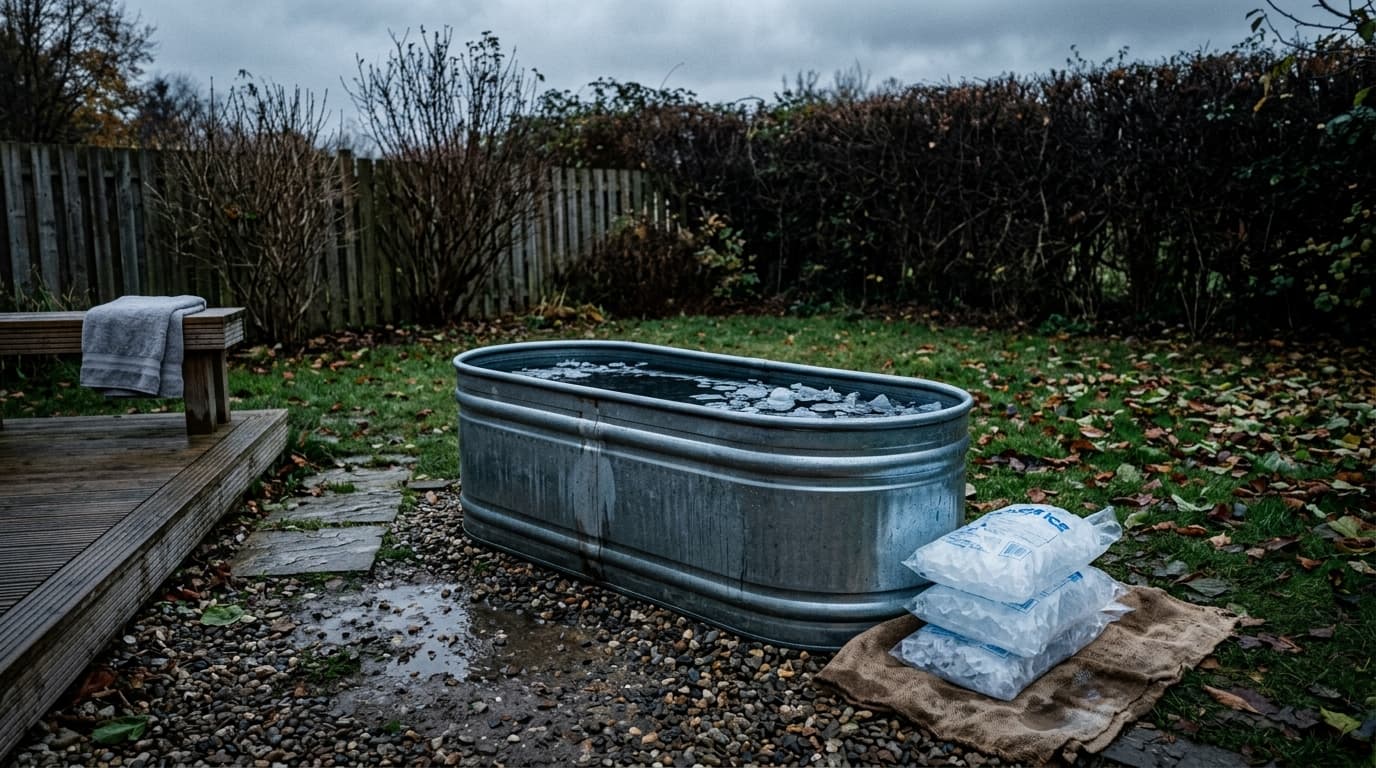
Quick answer: Under $2,000 the honest picks are an Ice Barrel around $1,200, a stock tank for roughly $100 to $500, or a DIY chest freezer conversion. All of them skip the built-in chiller, so you either haul ice or add a separate chiller later. If cold, clean water year round matters more than sticker price, spend the budget on a solid tub plus a right-sized chiller, not a pretty inflatable with an underpowered one.

Cold PlungeBudgetRoundupIce BarrelBuying Guide